Lead inspection of an inherited 1960s house
Example project
- Home
- 1960s single-story house in Grand Prairie, about 1,300 sq ft, oak floors
- Original request
- Find out where the lead paint is before deciding to sell, rent or fix the house
- Inspection
- Walls, doors, casings, windows and outside trim tested one type at a time
- Found
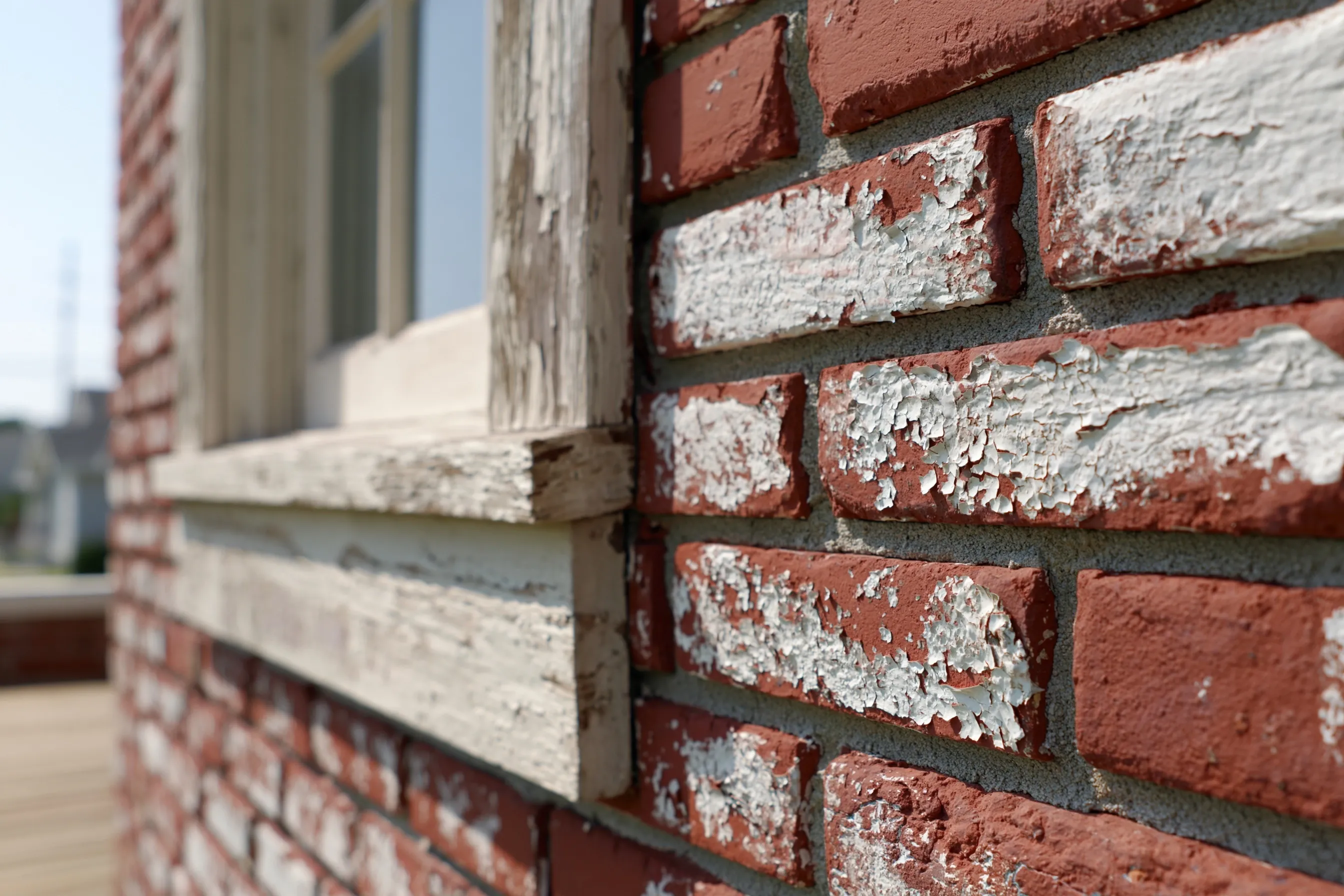
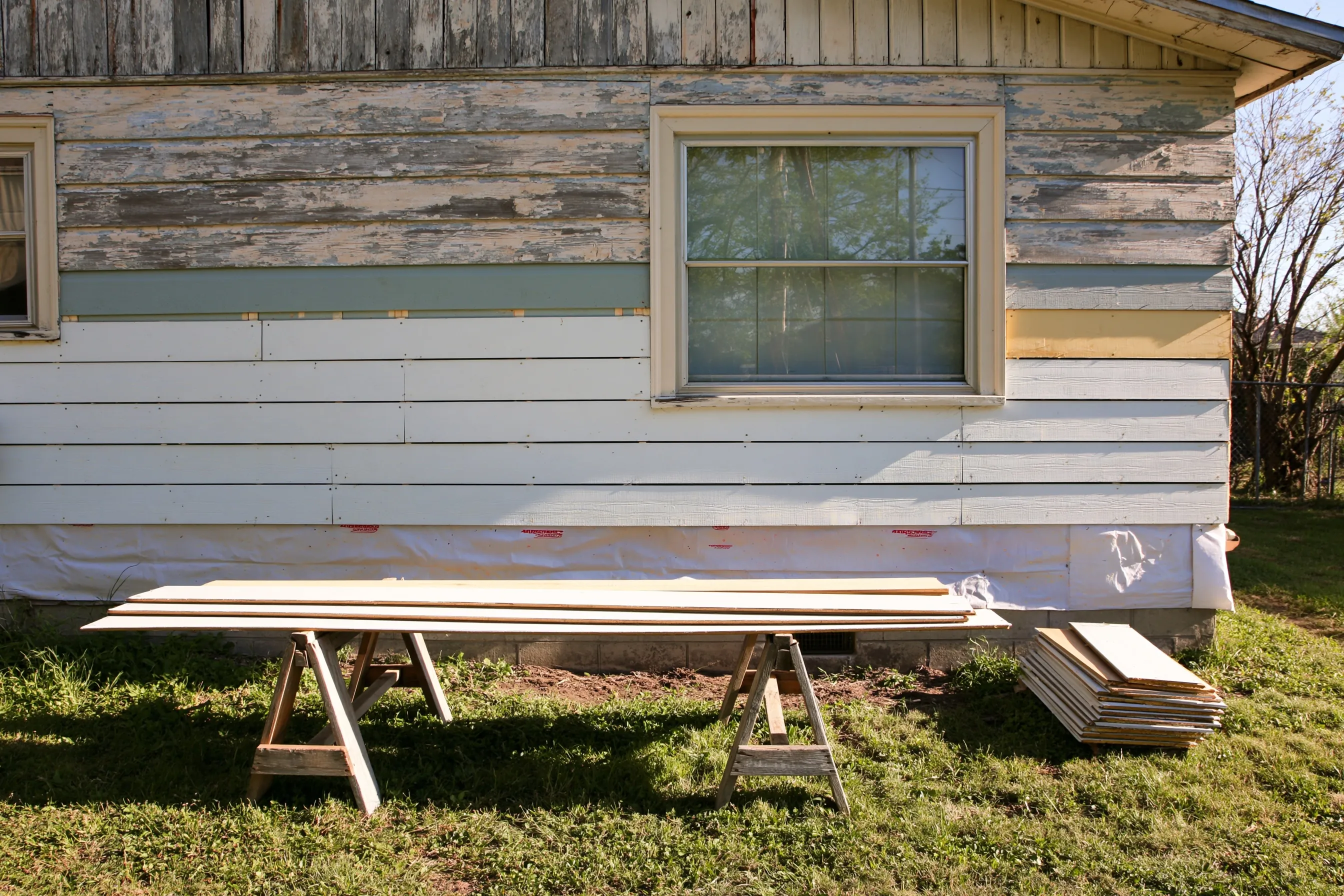
- Lead paint on the door casings, doors and window trim; none on the walls
- Report
- A written list of what tests positive and what does not
- Estimated cost
- $560
Scope of work
A walk through every room and around the outside, readings on walls, doors, casings, baseboards, windows and exterior trim, paint chips to the lab where a reading is unclear, and a written report the family can hand to a buyer, a tenant or a contractor.
Project overview
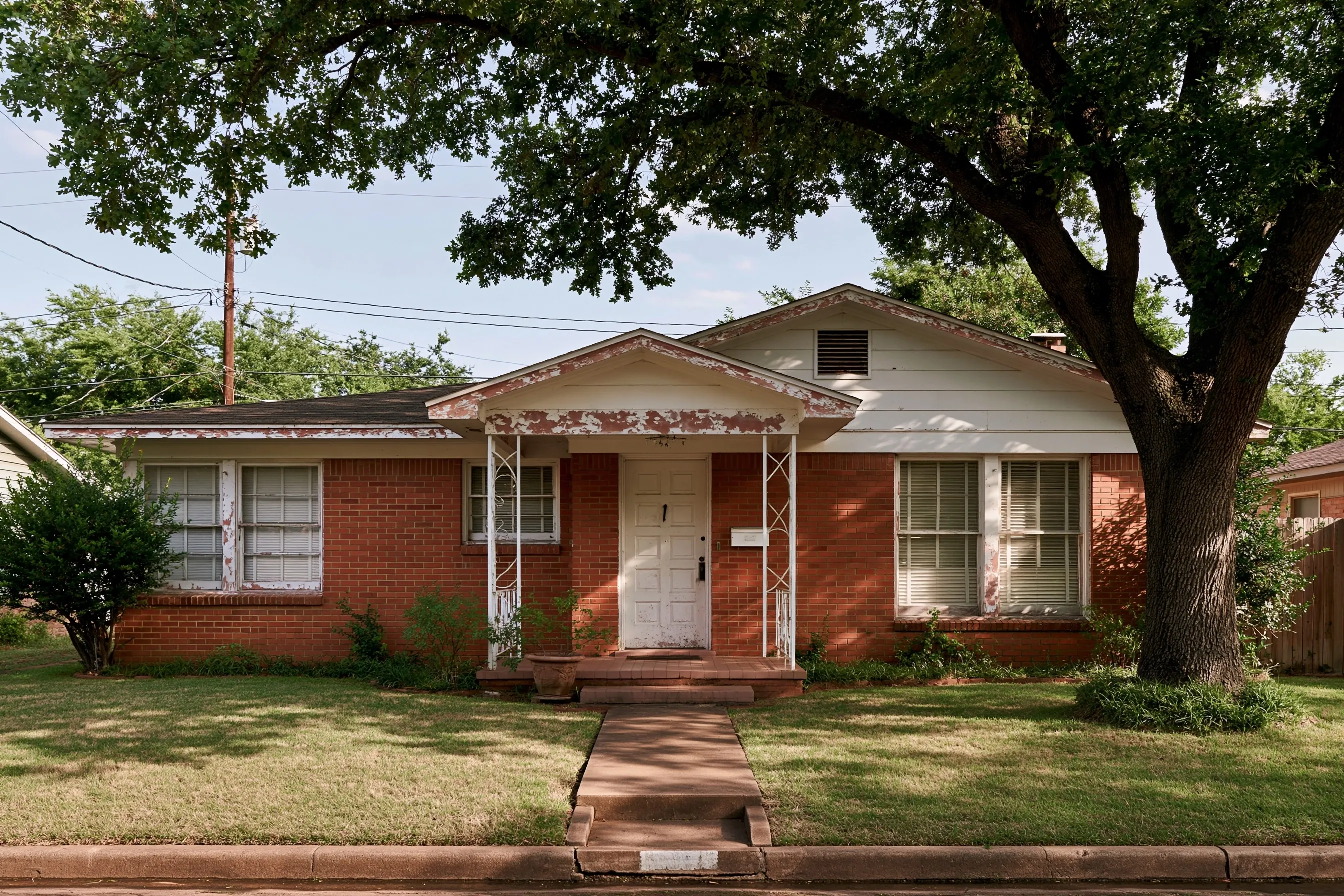
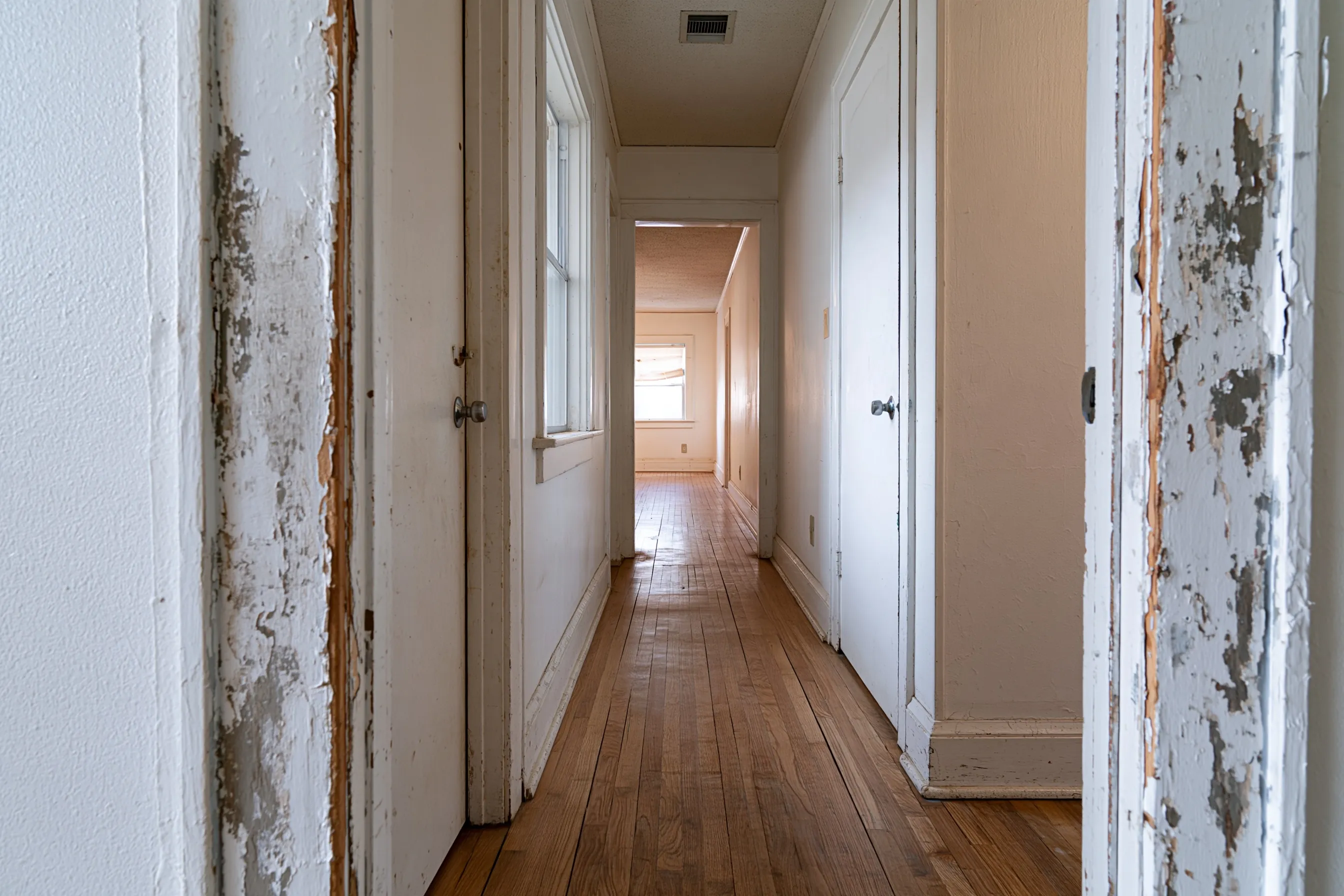
In this example, a family inherits a parent’s 1960s house in Grand Prairie. The door frames along the hall are worn down to bare wood in places, and before they decide whether to sell it, rent it out or fix it up, they want to know where the lead paint is.
A full inspection answers that for the whole house at once. The report shows lead paint on the door casings, doors and window trim but not on the walls, so any later work can focus on those parts, and the family has the paperwork a buyer or tenant is owed.
The goal
The goal is a clear picture of the lead paint in the house before the family decides what to do with it.
Process
- Booking Keys arranged and every room and closet opened up.
- Inspection Every room and the outside walked and tested, with lab chips for any doubtful reading.
- Report A written list of positive and negative parts, with notes on the worn casings.
Planning right
- A seller or landlord has to pass on known lead reports. This one goes with the house.
- Worn casings by the doors are the first thing to fix if a young child will live there.
- Walls that test clear can be painted the usual way.
- Keep the report with the deed papers.